White-Label vs. Freelancing vs. In-House: The Math Behind Agency Growth
Digital Marketing
Tanzim Sarwar Taz
Nominate a Leader
Celebrate Bangladesh’s pioneers.
As an agency grows, one of the biggest decisions you’ll face is how to structure your team to provide services efficiently and cost-effectively.
The three primary models, white-label, freelancing, and in-house, each come with distinct advantages and challenges. Understanding the math behind these choices is essential for choosing the right path for your agency’s growth.
In this article, we’ll compare each of these models, dive into their financial implications, and explore how each one can impact your agency’s scalability and success.
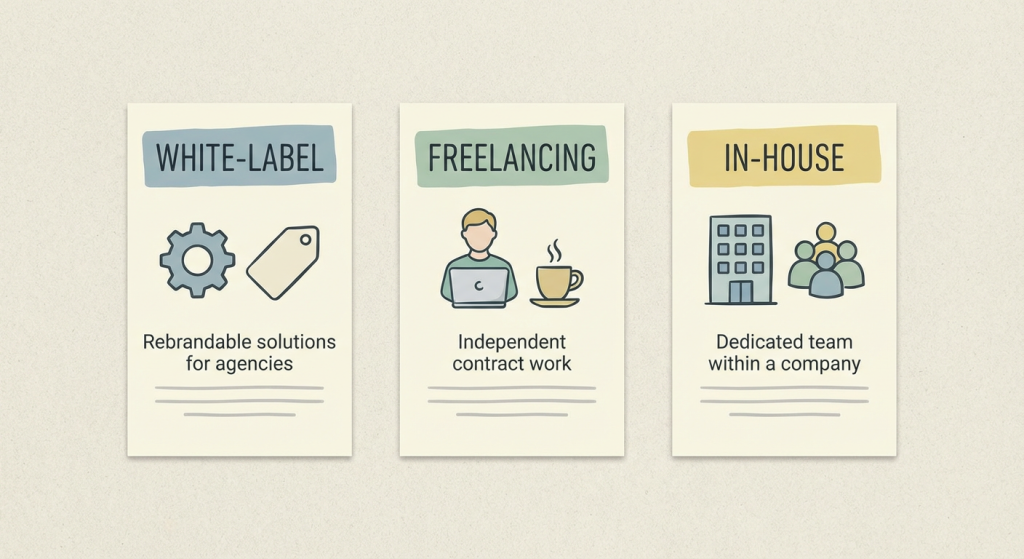
Understanding the Three Models
To make an informed decision, it’s essential first to understand how each model works. Let’s break them down and explore how each one operates within the agency structure.
White-Label Model
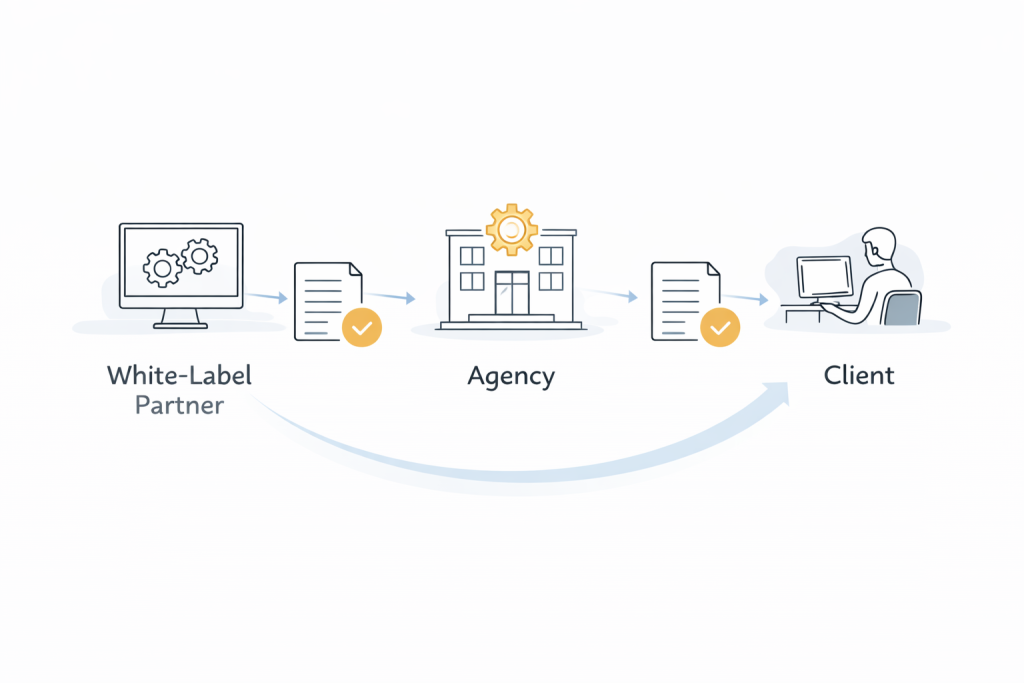
The white-label model lets you sell services under your brand while a third-party provider handles fulfillment. You focus on client strategy and communication, and they handle production.
It’s a strong fit when you want to add services without hiring or buying tools. White-label works well for SEO, web dev, content, and PPC.
Best for agencies that need to:
Scale fulfillment capacity quickly
Keep overhead and hiring lean
Offer ongoing retainers with consistent output
White-label helps you grow faster without building internal departments from scratch.
Freelancing Model
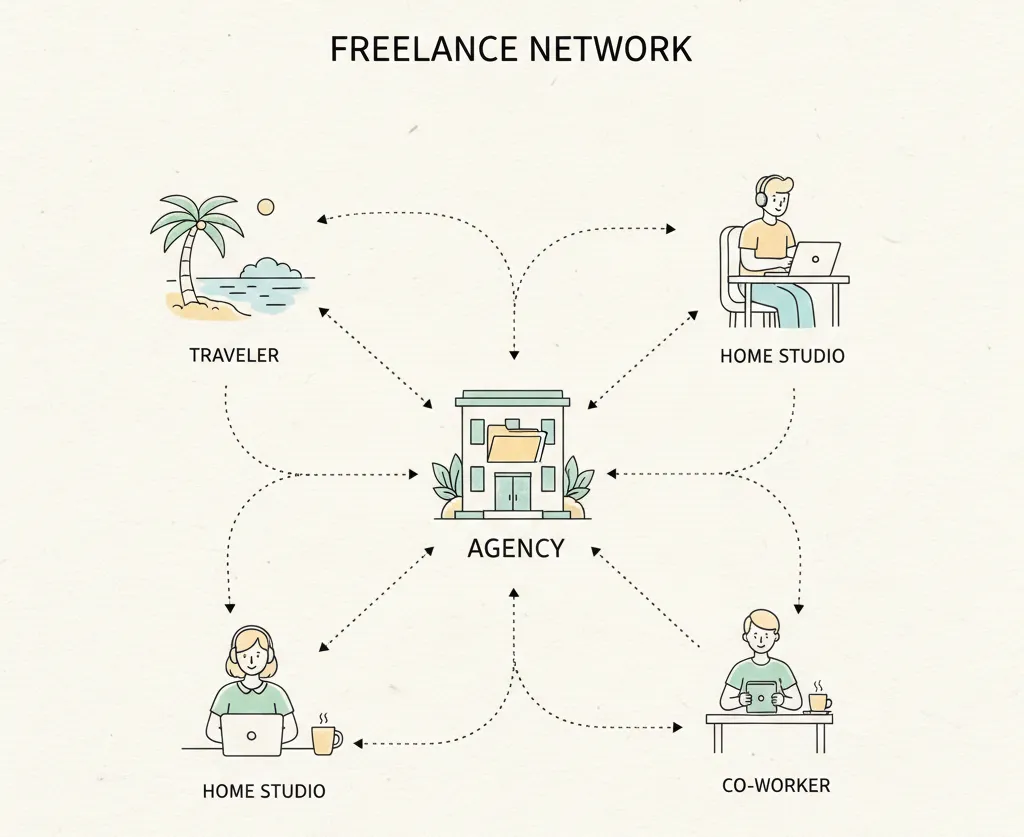
The freelancing model uses independent contractors for specific tasks. This gives you flexibility and on-demand access to specialized skills without long-term commitments.
Freelancing makes sense when you need:
Temporary or niche expertise
Project-based deliverables
Low-commitment resource support
The trade-off is less control over timing and consistency, since freelancers juggle multiple clients. It’s good tactical support, but not ideal for long-term fulfillment or retainer-heavy workflows.
In-House Model
The in-house model means hiring full-time employees to deliver services internally. This gives you the most control over quality, collaboration, and culture.
It works best when your agency has:
Predictable workloads
Steady revenue streams
Need for tight operational control
The downside is cost. Salaries, benefits, tools, and training make this the most expensive and resource-heavy model. It pays off when you are stable and scaling from a mature position, not when you are still building capacity.
The Math Behind Each Model
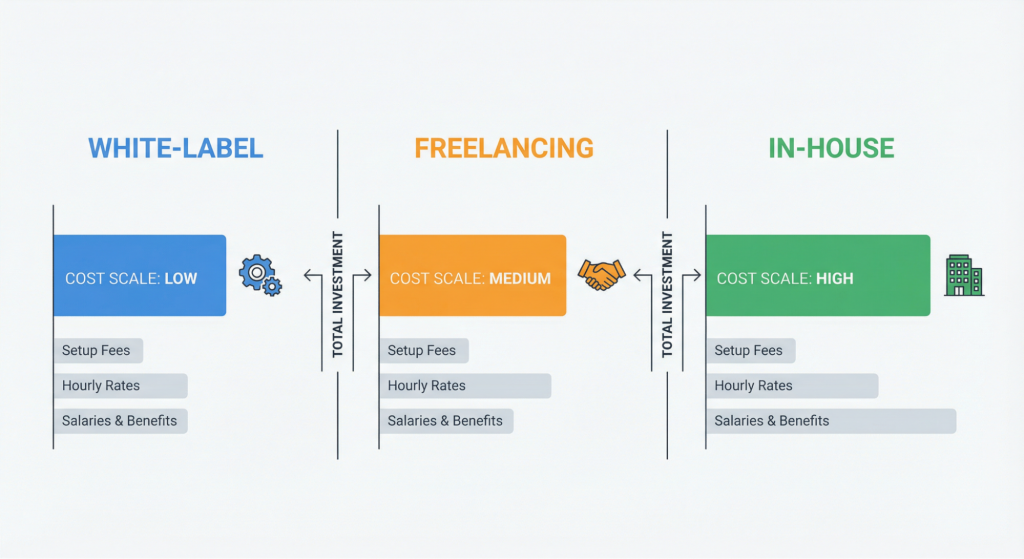
When deciding which model to choose, the financial implications are crucial. Let’s break down the cost-effectiveness, scalability, and flexibility of each option to determine which makes the most sense for your agency.
White-Label: Cost-Effectiveness and Scalability
The white-label model stands out when you want to expand services without increasing overhead. Instead of hiring employees, you pay a provider on a retainer or per-project basis, which keeps your cost structure predictable.
To put the math into perspective, hiring a single SEO strategist may cost $60,000 to $90,000 dollars annually, not including supporting roles like writers or link builders. In contrast, many white-label SEO retainers start around $1,000 to $2000 dollars per month, giving you access to a fully equipped team for a fraction of the cost.
Scalability is another major advantage. As your client base grows, you simply increase your fulfillment volume. There is no need to:
Expand office space
Recruit new staff
Buy additional tools
Because white-label partners already have specialists and tools, you can grow faster and stay lean, without building a full internal SEO department.
Freelancing: Flexibility but Limited Control
The freelancing model gives you flexibility and on-demand access to specialized talent. You pay only for the work you need, whether it is a blog article, campaign design, or technical audit.
This makes freelancers useful for:
Short-term work
Specialized or niche skill sets
Variable workloads
However, costs can increase on a per-task basis. For example, a freelance writer may charge 100 to 300 dollars per article, and designers may charge several hundred dollars per project. Over time, these individual expenses accumulate, especially if you rely on freelancers for ongoing production.
Another limitation is control. Freelancers manage their own schedules and client load, so availability and consistency can vary. This often requires more oversight to ensure deadlines, communication, and quality expectations are met.
In short, freelancing offers tactical flexibility, but it is not ideal for long-term fulfillment or retainer-heavy SEO, where consistency and reliability matter.
In-House: Full Control but High Overhead
The in-house model gives you the highest level of control over quality, process, and culture. Full-time employees are immersed in your brand and aligned with agency goals, which supports stronger collaboration and internal knowledge-sharing.
This control comes with significant overhead. Salaries, benefits, training, software, and infrastructure add up quickly. For example, roles like:
SEO strategist: $70,000 to $90,000 dollars per year
Content strategist: $60,000 to $80,000 dollars per year
become major line items. And as you expand headcount, overhead scales with it. Hiring also requires time, onboarding, performance management, and ongoing development.
The in-house model works best when you have predictable workloads, steady revenue, and a need for tight operational control, but it is the most resource-heavy option for agencies still in the growth phase.
Which Model Is Best for Your Agency?
The best model for your agency depends on your goals, resources, and growth stage. Let’s take a closer look at when each model might be the right choice.
When White-Label Makes the Most Sense
White-label services are ideal if you are:
Growing faster than your internal team can fulfill
Adding new service lines without hiring
Managing multiple retainer accounts
Prioritizing margin and scalability
This model gives you the ability to focus on client strategy, sales, and relationship management, while someone else handles the production layer.
When Freelancers Make the Most Sense
Freelancers are a good fit if you:
Need specialized skills occasionally
Have project-based or seasonal work
Do not have a predictable retainer volume
Want low-commitment resource support
They give you flexibility, but they are not a replacement for ongoing fulfillment systems.
When In-House Makes the Most Sense
An internal team is right for you if:
You have a sustained workload and revenue
You need tight production control
You value culture and collaboration
You can support long-term payroll
In-house works well once your agency is stable, mature, and scaled enough to justify the overhead.
Pros and Cons Summary
To give you a clearer picture, let’s break down the key pros and cons of each model. This comparison will help you quickly assess which model suits your agency’s needs and growth stage.
Model
Pros
Cons
White-Label
– Scalable and flexible
– Less control over day-to-day work
– Cost-effective compared to in-house hiring
– Dependent on the reliability of the provider
– Access to expertise and advanced tools
– Potential for slower response times from third-party providers
Freelancing
– Low cost for short-term or specialized tasks
– Inconsistent quality of work
– Flexibility to scale up or down as needed
– Less control over freelancers’ time and availability
– Access to niche expertise
– Managing multiple freelancers can be difficult
In-House
– Full control over work quality and culture
– High cost for salaries, benefits, and overhead
– Strong team collaboration and real-time communication
– Long recruitment and training process
– Better alignment with agency goals and values
– Harder to scale quickly without significant investment
This table highlights the strengths and challenges of each model. Depending on your agency’s needs, you might opt for one model over the others, or even combine them for a hybrid approach.
Conclusion
Choosing between white-label, freelancing, and in-house models is an important decision for your agency’s growth. Every option brings its own advantages and challenges, depending on your needs, budget, and goals.
White-label services are a great option for agencies that need scalability and flexibility without the costs of hiring a full-time team. It’s perfect for expanding your service offerings quickly.
Freelancing gives you flexibility and access to specialized skills on demand, but can lack consistency and control over quality.
In-house teams provide full control and strong alignment with your agency’s culture, but come with high overhead costs and resource commitments.
Ultimately, the best model depends on your current business needs. For many agencies, combining these models can offer the best balance of flexibility and control.
If you’re considering scaling your agency’s services without the burden of hiring new staff, partnering with a reliable white-label provider like Notionhive can be an excellent way to expand quickly while maintaining high-quality service delivery.
Frequently Asked Questions
What are the key differences between white-label and freelancing? White-label services are outsourced to a third-party provider who works under your brand, while freelancing involves hiring separate contractors for specific work or projects.
How can I scale my agency using the white-label model? White-label services allow you to offer specialized services without hiring new staff, making it easier to scale your agency. You can quickly add more services or clients without needing additional resources.
What are the most common mistakes when working with freelancers? The most common mistakes include failing to set clear expectations, not managing deadlines effectively, and not ensuring consistent quality control.
How do I calculate the cost of hiring an in-house team? Calculate salaries, benefits, office space, equipment, training costs, and any other overhead expenses. The total cost of an in-house team can be significantly higher than using freelancers or white-label providers.
Can I use all three models in one agency? Yes! Many agencies combine all three models depending on the nature of the task. For instance, you could use freelancers for one-time tasks, white-label services for specialized offerings, and an in-house team for core functions.
How do I manage remote teams of freelancers effectively? Clear communication, project management tools (like Asana or Trello), and regular check-ins are essential for managing remote freelancers. Setting expectations and deadlines from the start can help keep things on track.
What’s the best way to ensure quality control with white-label services? Regularly monitor the work produced by the white-label provider, ensure clear communication about your expectations, and provide detailed feedback on deliverables to maintain quality control.
When is the right time to hire full-time employees instead of freelancers? If your agency requires consistent, ongoing work and you find that freelancers are not providing the stability or quality you need, it might be time to consider hiring full-time employees.
What kind of tasks should I outsource to freelancers versus in-house staff? Freelancers are great for specialized, short-term tasks, such as design, content writing, or specific technical work. In-house staff is ideal for tasks that require ongoing collaboration, consistency, and a deep understanding of your agency’s culture and processes.
How do I ensure smooth collaboration between freelancers, in-house teams, and white-label providers? Use task management tools to keep everything organized and ensure regular communication with all teams. Setting clear roles, deadlines, and expectations will help ensure smooth collaboration and avoid misunderstandings.
Get your business featured on established websites. Increase your search engine rankings with relevant backlinks. Boost trust and deliver long-lasting benefits that help you beat the competition.
We’ll get back within 10 business hours
The Math Behind White Label, Freelancing, and In-House